
3 minute read
February 19, 2026
Should experiential marketing be a part of your marketing strategy?
We think so.
After spending the last decade living in a digitally dominated world, we’re seeing the tide slowly turn as people look to disconnect and crave in-person experiences. Events and activations are a powerful marketing tool that allow brands to connect with their audiences face-to-face. The ultimate goal? Create memorable moments, extend your brand’s reach and tell your story in new ways.
What is Experiential Marketing?
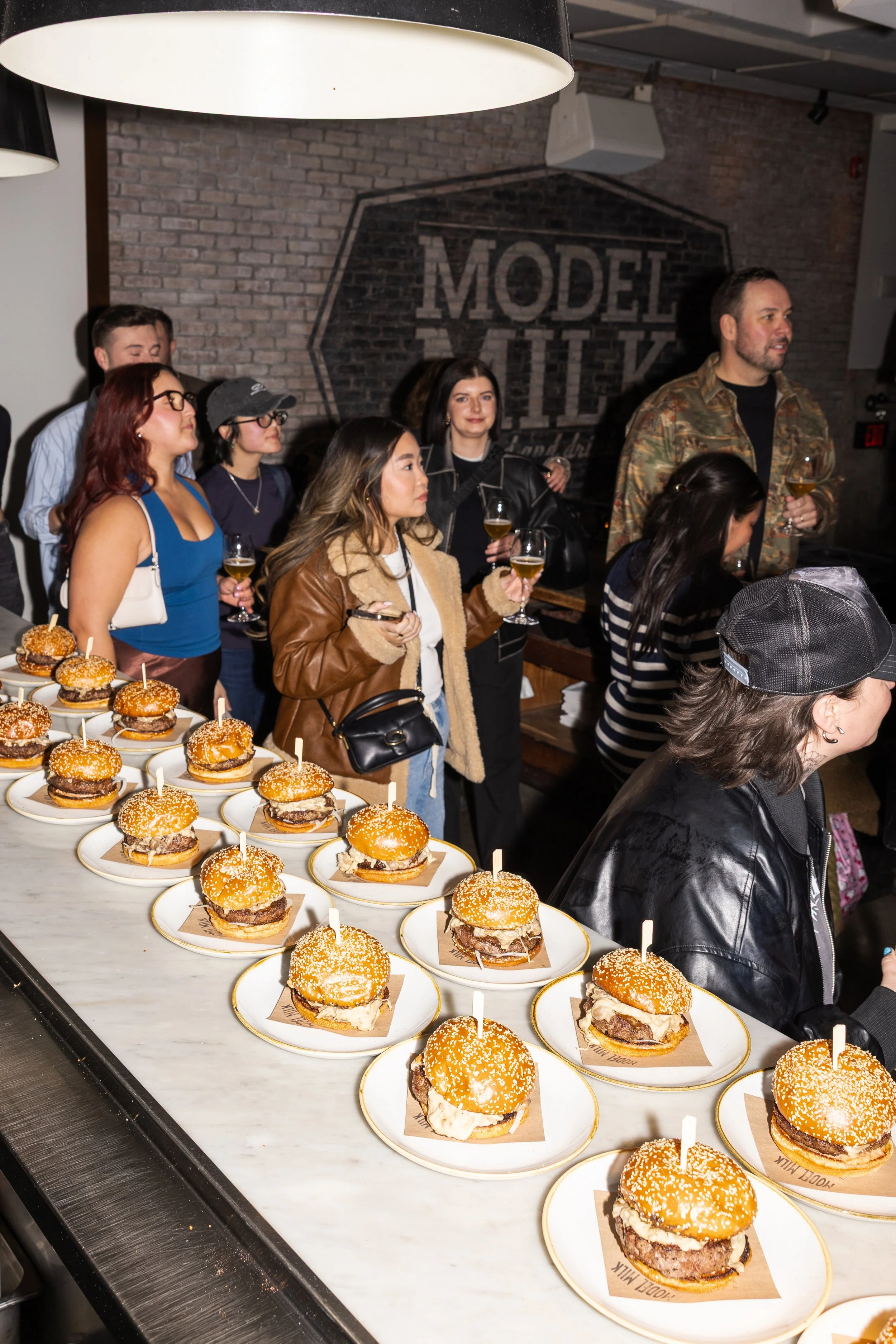
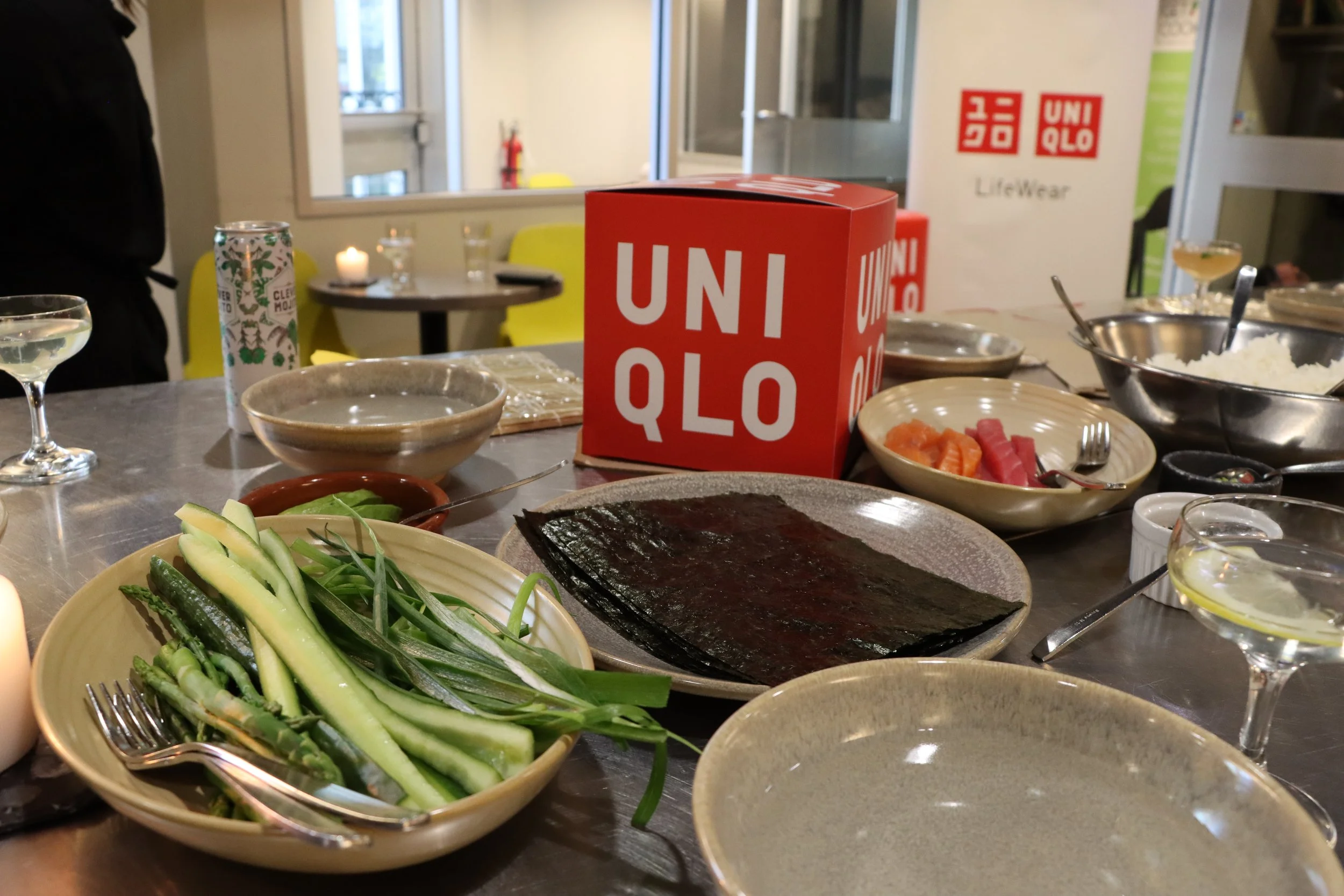
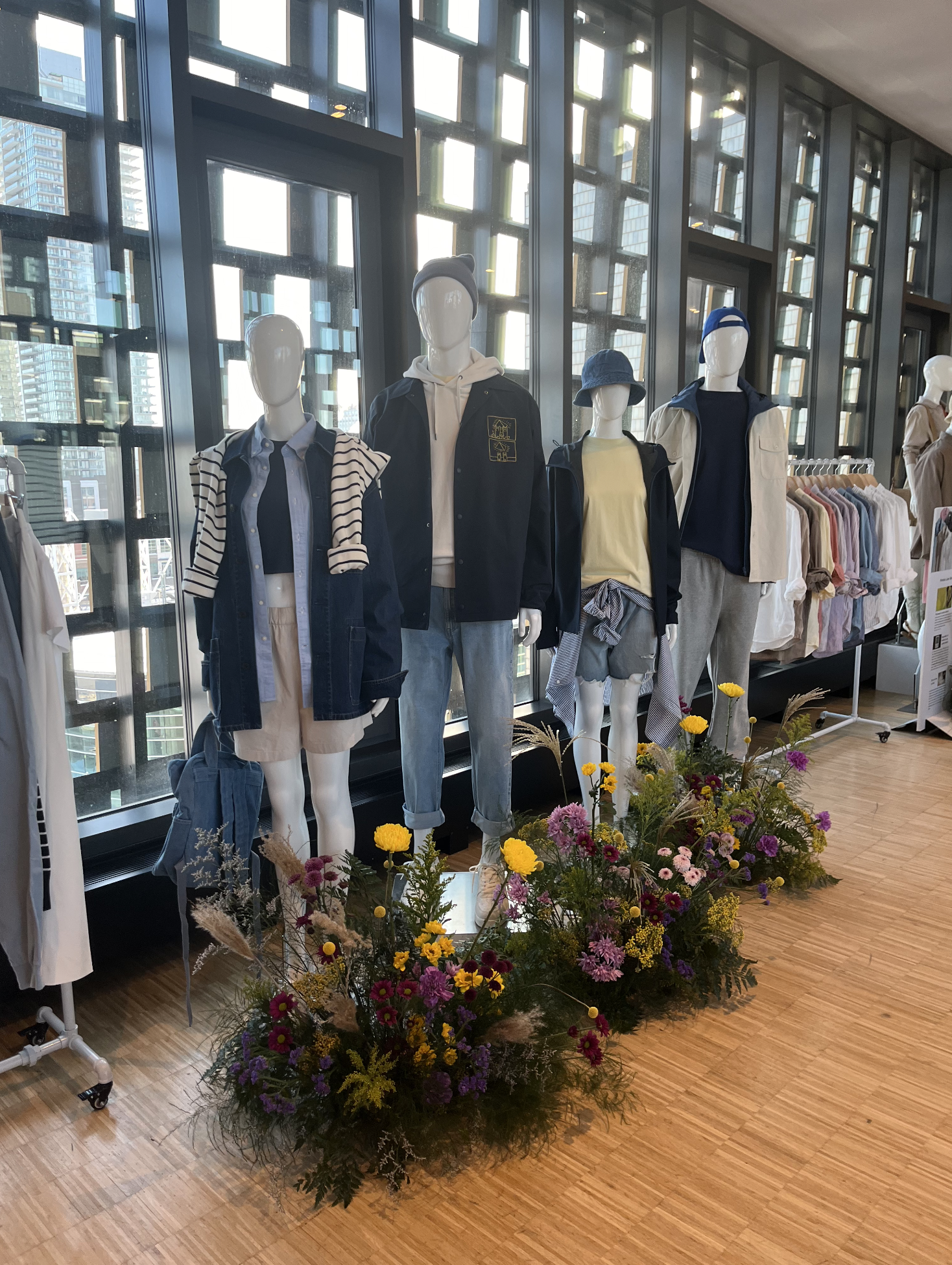
A broad term that includes media previews, interactive installments, pop-up shops, activations, or branded events that highlight the real and human side of the brand. The focus is on interaction and engagement and the emphasis is on storytelling.
When we talk about public relations we typically think about press releases and media kits alongside earned media coverage in publications, TV, radio or online news platforms. Branded events are a playful PR tactic that not only earns media coverage but create authentic content that can amplify PR efforts. When done well, brand activations are content-creation gold that can be leveraged by the brand for their own marketing on social and digital advertising platforms.
Why Does It Matter?
Experiential marketing doesn’t just tell people about a campaign or product, it shows them. While sending out an informative press release is still an important part of a campaign, smart marketers know that events create a unique angle for media to write about and facilitate the creation of organic, high-quality content through video, photos, blogs, etc. When creators and media are immersed in an experience they’ll create genuine content that shows them interacting with the brand and feels authentic to them.
Events are also an invaluable opportunity for marketers to gather feedback and data: what is resonating with creators? What is getting lost? What questions are arising?
What Makes a Successful Event?
Since Press & Post’s inception, we’ve supported clients on a number of events that have driven real results for their brands. While pricey, over-the-top PR stunts don’t fit every marketing budget, there are still many ways to create impact on a smaller scale.
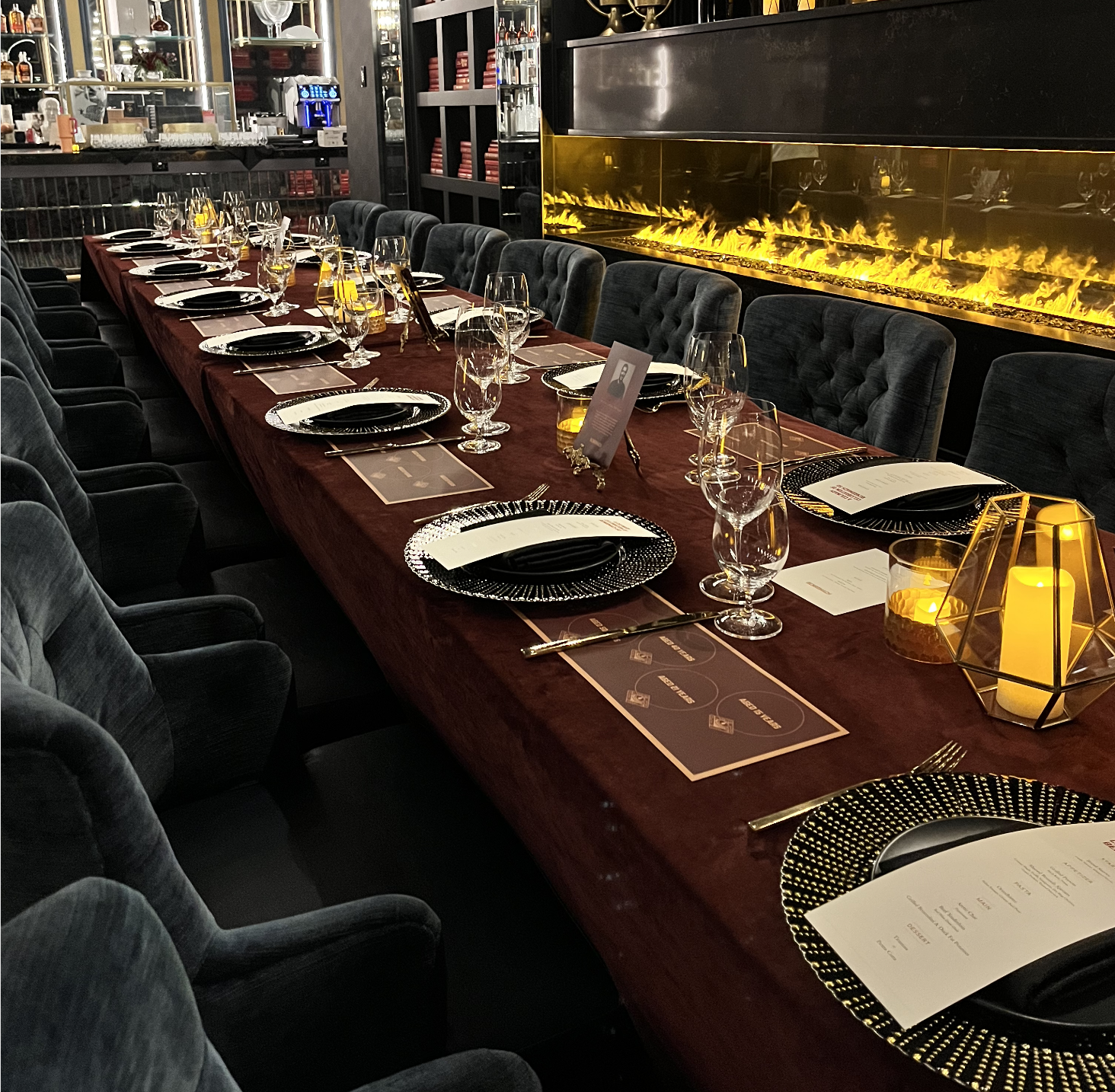
Think intimate events over big spectacles: VIP dinners, invite-only events, small workshops or talks. This helps you avoid mass messaging and gives you a chance to connect with attendees directly. Below are some more tips for ensuring a successful event.
TIP #1: Have a clear purpose
Before investing in experiential marketing, ask why you’re doing it. Why this event, in this way, now? It’s not only about determining what you want to achieve but also what part of your brand story this is highlighting. Once you know that, really lean into it and incorporate your brand’s core values into the event. For example, if community building is part of your brand story, can you partner with another local brand? Can there be a charitable element for a community group? Can you incorporate local performers or entertainers?
TIP #2: Carefully consider your guest list
Keep the guest list tight and make sure you’re inviting creators and journalists who can tell your story in an authentic way. Look for micro-influencers with a highly engaged following over huge follower numbers, typically these smaller communities are much more engaged and invested in the creators.
TIP #3: Bring your A game
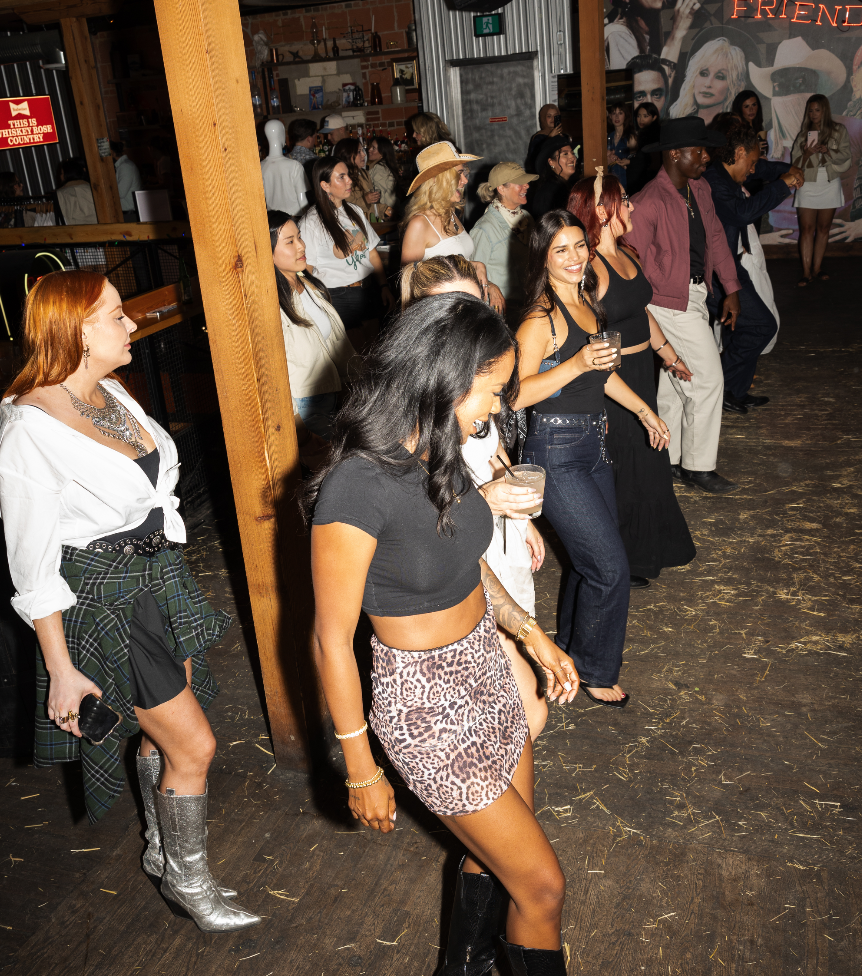
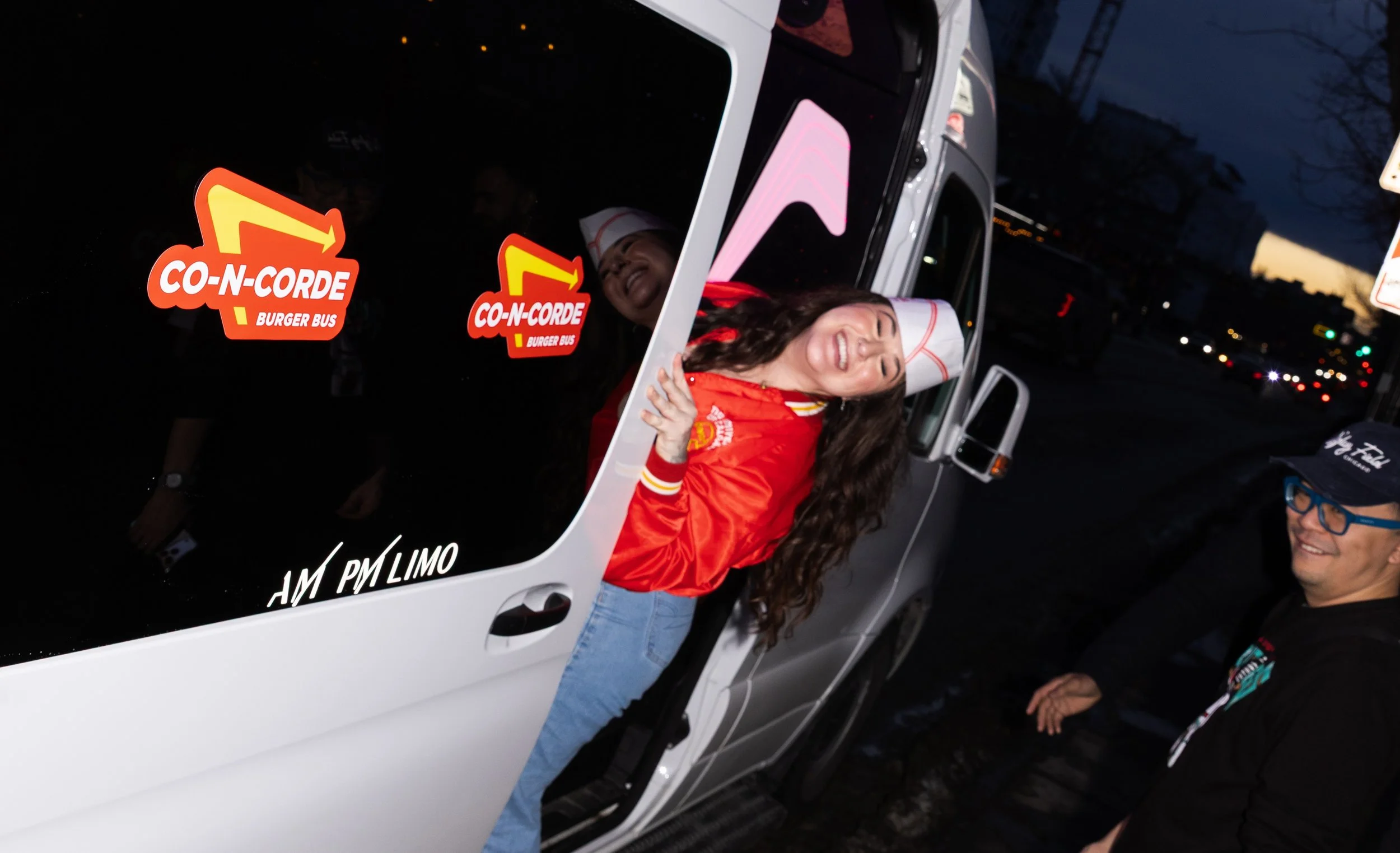
Once you have a captive crowd, you need to make the most of it. The event should be immersive and give attendees something to do: sampling the food, trying out products, etc. Consider additional touchpoints you can incorporate to really showcase your brand’s strengths. Is there a fun take home for attendees? Can you put key messaging in a branded handout? Which of your team members shine at events like this? Make sure they’re a part of the event.
Create a tight timeline but allow the event to flow naturally, leaving room for fun. You can’t control or plan every single moment of the event but planning ahead as much as possible will help mitigate any friction points.
TIP #4: Track your results
Depending on the type of event, the goal and your product, there are a few ways to record results. Make sure you’re tracking media mentions and social media reach, engagement and mentions, and resharing high-quality user generated content. Gather data on website traffic, newsletter sign-ups and any other CTAs you incorporate into your messaging. If your event is centred around a product, track sales and conversion data during or after the event.
TL;DR
Be willing to experiment and have fun. Whether it’s press previews, pop-ups or immersive brand moments, these events cut through the online clutter and connect audiences with your brand in a new way. Not every event will be a slam dunk but over time you’ll gain traction and build relationships that will significantly impact your marketing in 2026 and beyond.